
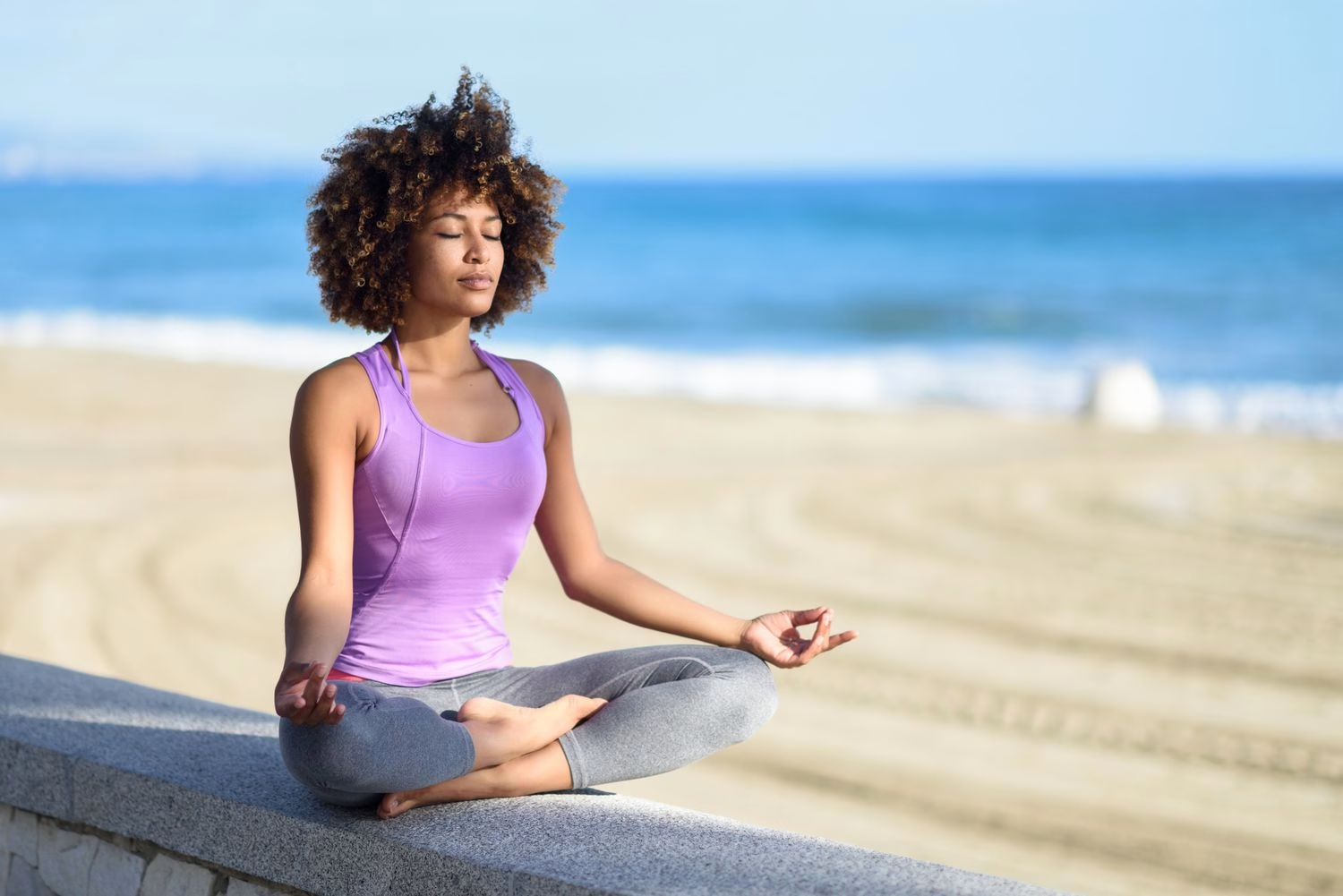
Anxiety has become one of the most common mental health challenges in modern society. Work pressures, financial concerns, social expectations, and constant digital connectivity can leave people feeling overwhelmed and stressed. While there are many ways to manage anxiety, meditation has emerged as one of the most effective and natural methods for promoting emotional balance and mental well-being.
Meditation is the practice of focusing the mind and developing awareness through techniques such as deep breathing, mindfulness, and guided visualization. For centuries, people have used meditation to reduce stress, improve concentration, and cultivate inner peace. Today, scientific research supports its effectiveness in helping people manage anxiety and improve overall mental health.
One of the primary benefits of meditation is its ability to calm the nervous system. When individuals experience anxiety, the body activates its “fight-or-flight” response, releasing stress hormones such as cortisol and adrenaline. Meditation helps counteract this response by promoting relaxation and slowing the heart rate. As a result, people often feel calmer and more in control of their emotions.
Meditation also helps individuals become more aware of their thoughts. Anxiety often involves repetitive worrying about future events or situations beyond one’s control. Through mindfulness meditation, people learn to observe their thoughts without judgment. Instead of becoming trapped in negative thinking patterns, they develop the ability to acknowledge anxious thoughts and let them pass naturally.

Another significant benefit of meditation is improved emotional regulation. Regular practice strengthens the brain’s ability to manage emotional responses, reducing the intensity of anxiety triggers. People who meditate consistently often report feeling less reactive to stressful situations and better equipped to handle daily challenges.
Sleep quality is another area where meditation can make a substantial difference. Anxiety frequently interferes with sleep, leading to insomnia and fatigue. Guided meditation and breathing exercises can help relax the mind before bedtime, making it easier to fall asleep and stay asleep throughout the night.
Meditation also improves focus and concentration. Anxiety can make it difficult to stay present and productive because the mind constantly jumps between worries and distractions. Meditation trains attention and enhances mental clarity, allowing individuals to concentrate more effectively on tasks and responsibilities.
Physical health benefits accompany the mental advantages of meditation. Regular meditation may help lower blood pressure, reduce muscle tension, and strengthen the immune system. Since anxiety often manifests through physical symptoms such as headaches, digestive issues, and fatigue, reducing stress can improve overall health and well-being.
Several types of meditation can help with anxiety relief. Mindfulness meditation encourages awareness of the present moment. Guided meditation involves listening to a narrator who leads the practitioner through calming visualizations. Loving-kindness meditation focuses on developing compassion and positive emotions toward oneself and others. Breathing meditation emphasizes slow, controlled breathing to promote relaxation.
Starting a meditation practice does not require special equipment or extensive training. Beginners can start with just five to ten minutes per day in a quiet environment. Consistency is more important than duration. Over time, even short daily sessions can produce noticeable improvements in mental health.
Technology has also made meditation more accessible. Numerous mobile apps and online resources provide guided sessions tailored to different needs and experience levels. These tools make it easier for individuals to incorporate meditation into their daily routines.
In conclusion, meditation offers a powerful and natural way to manage anxiety. By calming the mind, improving emotional regulation, enhancing sleep, and promoting mindfulness, meditation helps individuals develop healthier responses to stress. While it may not eliminate all sources of anxiety, regular meditation can provide valuable tools for coping with life’s challenges and improving overall well-being.