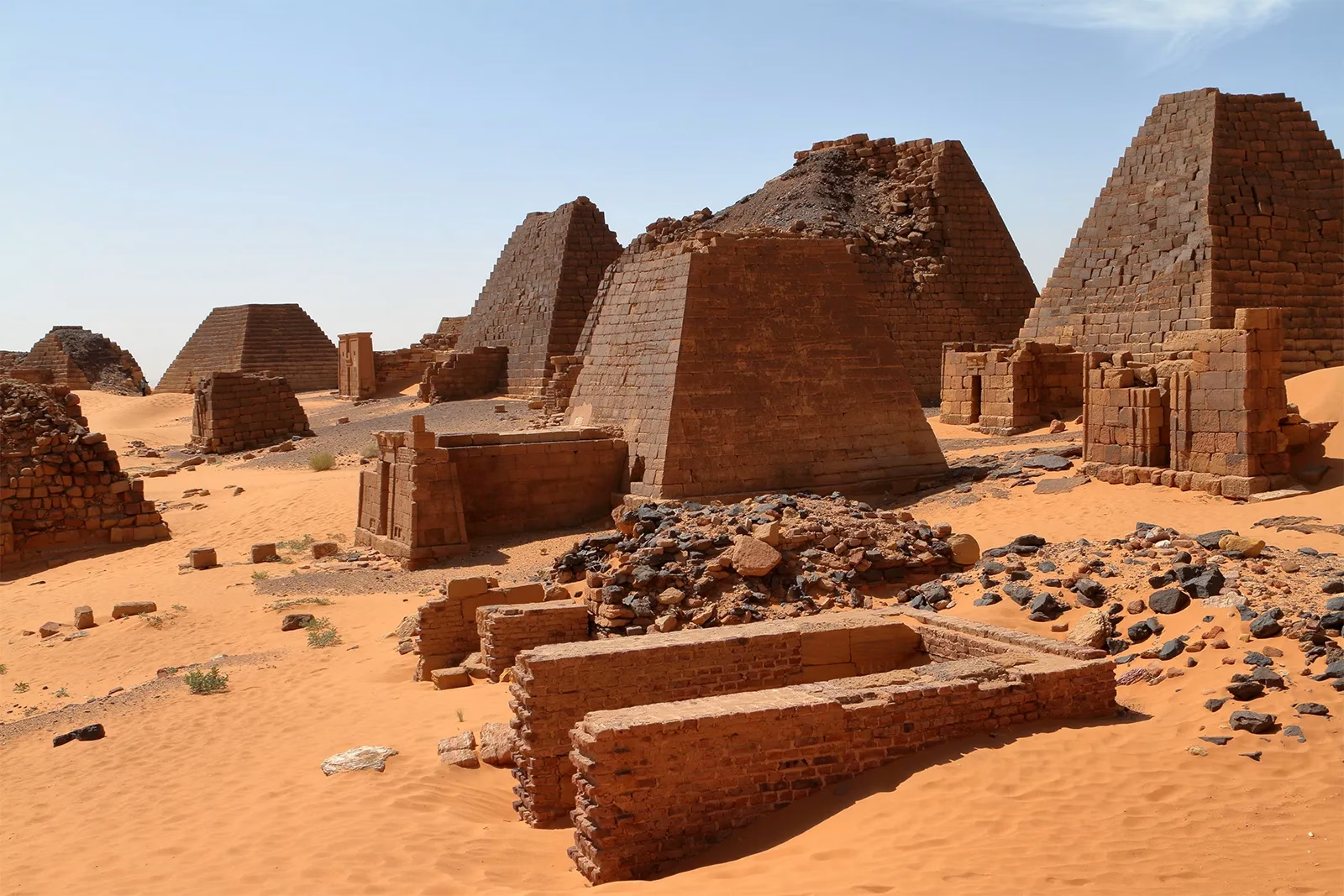
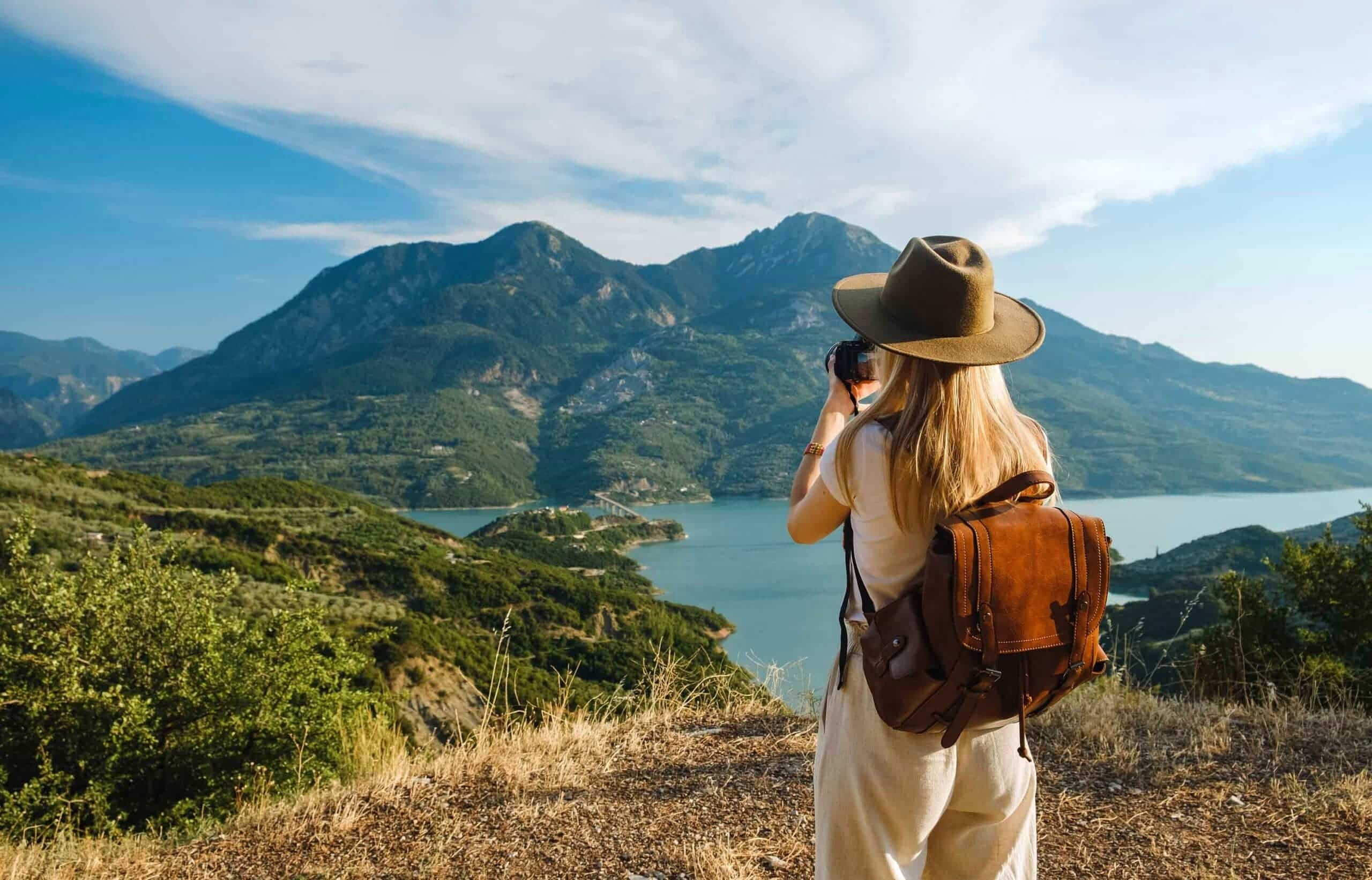
Travel photography is one of the most rewarding ways to capture memories and share experiences from around the world. Whether exploring a bustling city, relaxing on a tropical beach, or hiking through mountains, photography allows travelers to preserve special moments and tell visual stories.
For beginners, travel photography can seem intimidating. Professional-looking photos often appear difficult to achieve, but with the right techniques and practice, anyone can improve their photography skills. Understanding a few essential principles can make a significant difference in the quality of travel photos.

The first step is understanding your camera. Whether using a smartphone, mirrorless camera, or DSLR, becoming familiar with its settings is important. Learn how to adjust focus, exposure, and lighting. Knowing your equipment helps you react quickly when great photo opportunities arise.
Lighting plays a crucial role in photography. The best natural lighting often occurs during the “golden hour,” which is shortly after sunrise and before sunset. During these times, sunlight is softer and warmer, creating beautiful colors and shadows. Harsh midday sunlight can produce overly bright highlights and deep shadows.
Composition is another key element of successful travel photography. One popular technique is the rule of thirds. Imagine dividing your image into nine equal sections using two horizontal and two vertical lines. Placing important subjects along these lines or intersections often creates a more balanced and visually appealing image.
Travelers should also focus on storytelling rather than simply photographing landmarks. Instead of taking only standard tourist shots, capture local markets, street scenes, cultural traditions, and everyday life. These images often provide deeper insight into a destination and create more meaningful memories.
Experimenting with different angles can dramatically improve photographs. Many beginners take pictures from eye level, but changing perspectives can make images more interesting. Try shooting from low angles, high viewpoints, or unusual positions to create unique compositions.
Including people in travel photos can add emotion and scale. Local residents, fellow travelers, and cultural activities help bring destinations to life. Always be respectful when photographing people and ask permission when appropriate.
Keeping the background clean is another important tip. A cluttered background can distract viewers from the main subject. Before taking a photo, check for unnecessary objects that may interfere with the composition.
Travel photographers should also pay attention to details. Sometimes, small elements such as architectural patterns, local food, colorful signs, or cultural artifacts can tell a compelling story. Close-up shots often add variety to a travel photo collection.
Weather conditions should not discourage photography. Rain, fog, snow, and cloudy skies can create dramatic and unique images. Some of the most memorable travel photographs are captured during unexpected weather conditions.
Editing is a valuable part of modern photography. Basic adjustments such as brightness, contrast, sharpness, and color correction can enhance photos without making them look unnatural. Many beginner-friendly editing apps make it easy to improve images on smartphones and computers.
Backing up photos regularly is essential while traveling. Losing valuable memories due to equipment failure or accidental deletion can be disappointing. Using cloud storage, portable hard drives, or memory card backups helps protect your work.
Patience is one of the most important qualities for travel photographers. Great photos often require waiting for the right light, weather, or moment. Taking multiple shots and experimenting with settings increases the chances of capturing exceptional images.
In conclusion, travel photography is about more than documenting places—it is about capturing experiences, emotions, and stories. By understanding lighting, composition, storytelling, and camera techniques, beginners can significantly improve their skills. With practice, creativity, and curiosity, anyone can create memorable travel photographs that preserve adventures for years to come.